

 Login
Login




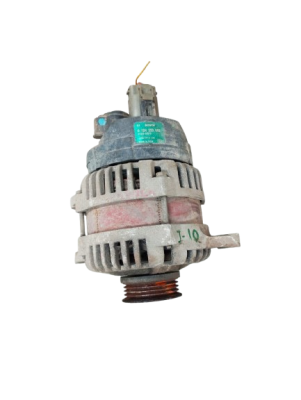
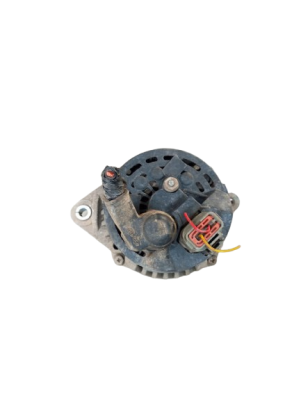

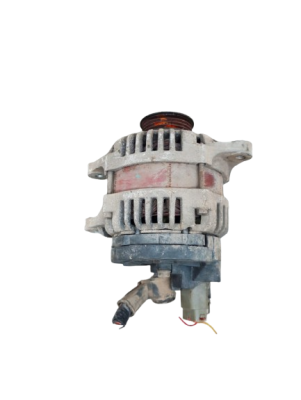
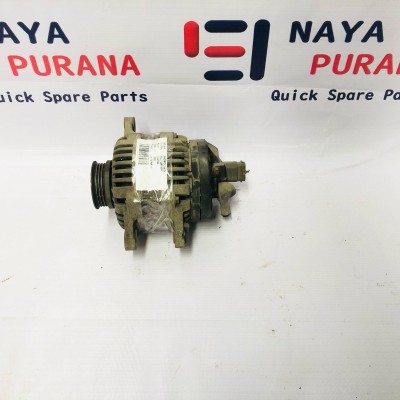
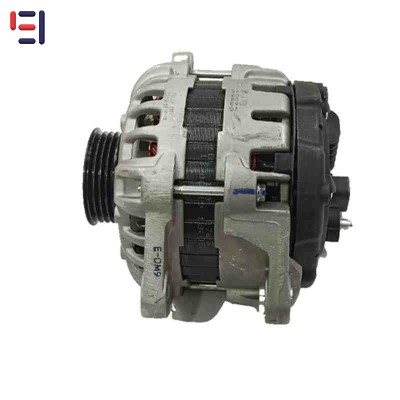
HYUNDAI i10 ALTERNATOR
 Products with this label are stored and packed by Naya Purana. Dispatched on the same day as order payment
Description
-
as lights, radio, and air conditioning) and recharge the battery while the engine is running.
-
Location: Typically mounted on the engine, often at the front or side of the engine bay. Its exact location can vary depending on the engine configuration.
-
Design: The alternator usually features a cylindrical or semi-cylindrical body with a pulley on one end, which is driven by a serpentine belt connected to the engine. It includes a rotor, stator, and diode assembly within its housing.
- Connections: The alternator will have electrical connections for the output of the generated electricity (usually through a terminal) and possibly a connector for the charging indicator light on the dashboard. It also has a mounting bracket and pulley for the belt.
-
Cooling: Alternators are usually air-cooled and have a built-in cooling fan to help dissipate heat generated during operation.
 (dispatch within 3 day)
 Cover Warranty
  Including GST
Aftermarket Replacement Parts
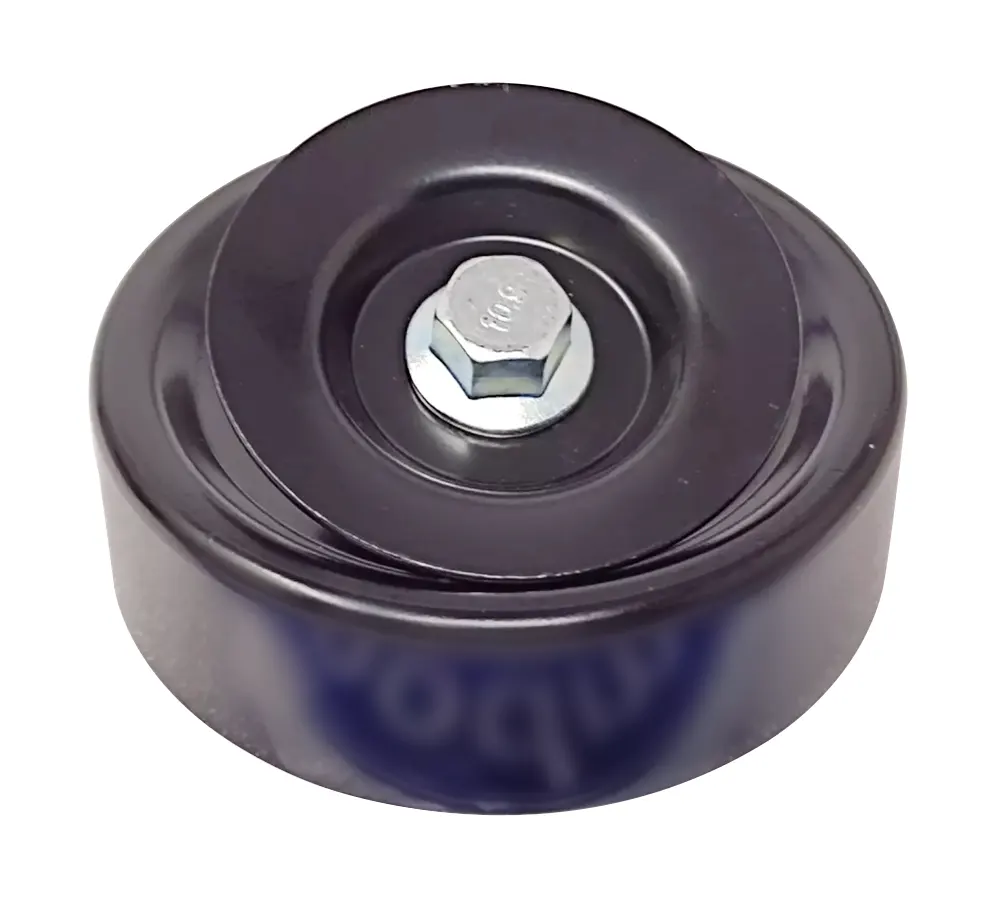
Idler Pulley, V-Ribbed Belt
₹649.00 ₹830.00 22% OFF Dispatch within 15 day BOSCHF00...0028
Products with this label are stored and packed by Naya Purana. Dispatched on the same day as order payment
Free Delivery
Products with this label are available for free delivery
Features and Specification
-
Regulated Output: The alternator provides a stable electrical output to keep the battery charged and power various electrical components such as lights, radio, air conditioning, and more.
-
Internal Cooling Fan: Most alternators have a built-in fan to cool the unit and maintain optimal operating temperatures.
-
Voltage Regulation: Equipped with a voltage regulator, the alternator maintains a consistent output voltage (usually around 13.5 to 14.5 volts) to protect the vehicle’s electrical system and battery.
-
Belt Driven: The alternator is driven by the engine’s serpentine or V-belt, which transmits mechanical power to the alternator.
-
Brushless Design (in some models): Some newer alternators use a brushless design for reduced wear and longer life.
Specifications:
-
Voltage Output: Typically, the alternator produces around 12-14 volts, depending on the electrical load and engine speed. The exact output can vary slightly based on the vehicle's requirements and alternator design.
-
Current Output: The alternator’s current output is generally between 70 to 100 amps, depending on the model year and engine configuration of the i10. Higher-output alternators may be available for vehicles with additional electrical accessories.
-
Physical Dimensions: The dimensions can vary, but a general range for a Hyundai i10 alternator might be:
- Diameter: Approximately 6 to 8 inches (150 to 200 mm)
- Height: Approximately 5 to 7 inches (125 to 175 mm)
-
Mounting Points: The alternator is typically mounted with a combination of bolts and brackets. The exact configuration depends on the engine layout and alternator design.
-
Weight: The weight of the alternator can vary but is generally around 8 to 12 pounds (3.5 to 5.5 kg).
-
Connector Type: The alternator usually has a main output terminal for the battery connection and one or more smaller connectors for the electrical control and signal lines.
Additional Considerations:
-
Compatibility: Ensure that the alternator is compatible with your specific Hyundai i10 model and engine type, as alternator specifications can vary between different engine options and production years.
-
Installation: Proper installation is crucial for the alternator to function correctly. Misalignment or incorrect tension on the serpentine belt can lead to premature wear or failure.
Replacement Parts

Related Parts
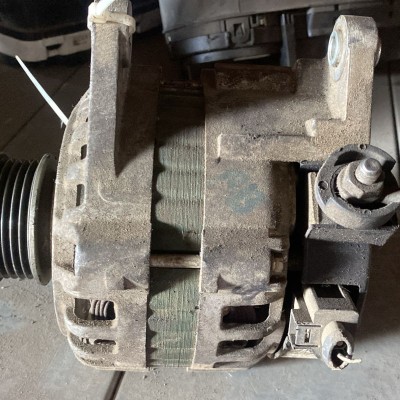
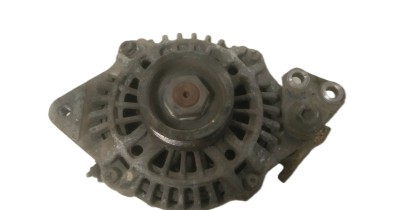
SANTRO (XING) HYUNDAI ALTERNATOR
₹ 3186 Dispatch within 3 day Used37...30
Products with this label are stored and packed by Naya Purana. Dispatched on the same day as order payment
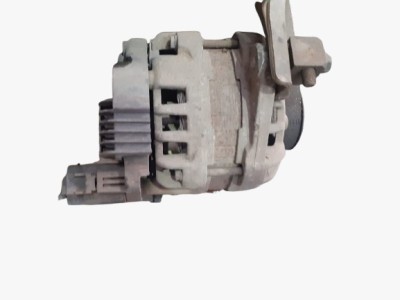
HYUNDAI EON ALTERNATOR
₹ 3776 Dispatch within 3 day Used37...30
Products with this label are stored and packed by Naya Purana. Dispatched on the same day as order payment
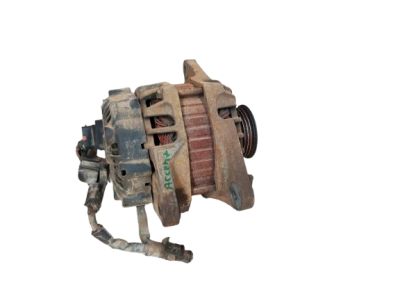
HYUNDAI ACCENT ALTERNATOR
₹ 11800 Dispatch within 3 day Used37...30
Products with this label are stored and packed by Naya Purana. Dispatched on the same day as order payment
ALTERNATOR
₹ 3540 Dispatch within 1 day Used37...30
Products with this label are stored and packed by Naya Purana. Dispatched on the same day as order payment

Compatibility
| Modification | Car Maker | Model | Year | Engine Type | ||
|---|---|---|---|---|---|---|
| 1.1L DLITE PETROL | HYUNDAI | i10 | 2010-2017 | Choose | ||