

 Login
Login




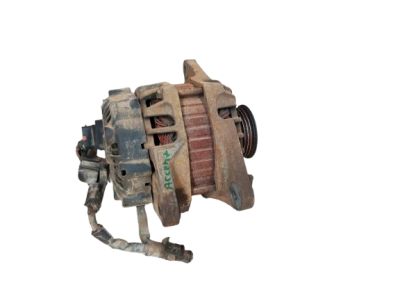
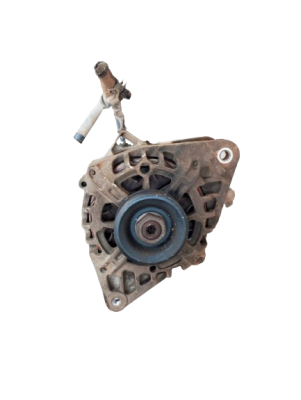
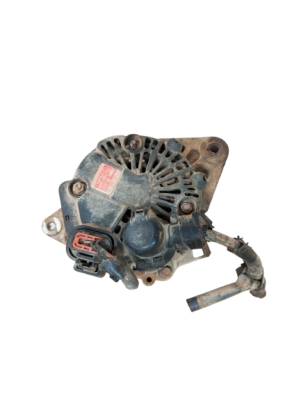
HYUNDAI
Origin OEM
(dispatch in 3 days)
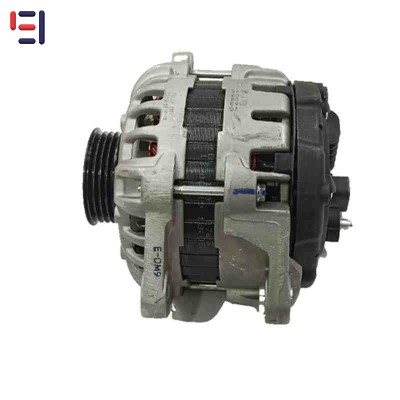
HYUNDAI ACCENT ALTERNATOR
₹ 11800
Availability:
5 In Stock
Fulfilled by  Products with this label are stored and packed by Naya Purana. Dispatched on the same day as order payment
Products with this label are stored and packed by Naya Purana. Dispatched on the same day as order payment
SKU:
AS00030
Product Type:
Used
Car maker:
HYUNDAI
Model:
ACCENT
Year:
2008-2008
Modification:
PETROL
Sold By:
AKK Plant
Category:
Engine Components and Assemblies
Length:
35 cm
Breadth:
20 cm
Height:
20 cm
Weight:
2000 gm
Description
Function and Purpose:
- Power Generation: The alternator converts mechanical energy from the engine into electrical energy. This power is used to operate the car’s electrical systems, including lights, radio, and climate control.
- Battery Charging: It recharges the vehicle’s battery, ensuring that there is enough power to start the engine and maintain electrical functions when the engine is off.
Key Features:
- Voltage Output: Typically, the alternator produces around 12-14 volts of direct current (DC) to supply the vehicle’s electrical systems and keep the battery charged.
- Current Output: The current output generally ranges between 70 to 100 amperes (A), depending on the specific model year and trim level.
- Voltage Regulator: Integrated within the alternator or mounted externally, this component regulates the voltage output to protect the electrical components and battery from overcharging.
- Belt Driven: The alternator is driven by a serpentine belt or V-belt connected to the engine’s crankshaft. The rotation of the belt turns the alternator's rotor to generate electrical power.
- Cooling Mechanism: Most alternators are equipped with a cooling fan or designed with adequate ventilation to dissipate the heat generated during operation.
Specifications:
- Design: The alternator is generally designed as a compact, durable unit that is mounted securely to the engine.
- Dimensions and Mounting: Specific dimensions and mounting configurations vary by model year and engine type. Ensuring proper fitment is crucial for optimal performance.
- Pulley Size: The pulley size is tailored to the vehicle’s belt system to ensure efficient power generation and proper operation.
- Compatibility: It’s important to use an alternator that matches the specific model year and engine of the Hyundai Accent to ensure proper functionality.
Maintenance and Replacement:
- Signs of Failure: Common signs of alternator issues include dimming headlights, flickering dashboard lights, a dead battery, or strange noises from the alternator area.
- Replacement: If replacement is needed, it's essential to use a compatible alternator with the correct specifications for the Hyundai Accent. Always consult the vehicle’s service manual or a professional technician for accurate part numbers and installation procedures.
 (dispatch within 3 day)
 Cover Warranty
  Including GST
Aftermarket Replacement Parts

Idler Pulley, V-Ribbed Belt
₹649.00 ₹830.00 22% OFF Dispatch within 15 day BOSCHF00...0028
Products with this label are stored and packed by Naya Purana. Dispatched on the same day as order payment
Free Delivery
Products with this label are available for free delivery
Features and Specification
Features:
-
Voltage Output:
- Typical Range: 12-14 volts DC.
- Purpose: Maintains the electrical system's power and recharges the battery.
-
Current Output:
- Typical Range: 70 to 100 amperes (A), depending on the model year and trim level.
- Purpose: Provides sufficient current to power all electrical components and accessories.
-
Voltage Regulator:
- Integrated or External: Regulates the alternator’s output to prevent overcharging.
- Function: Ensures the voltage remains within safe limits for vehicle electronics and battery.
-
Belt Driven:
- Drive Mechanism: Powered by a serpentine belt or V-belt connected to the engine’s crankshaft.
- Function: Converts mechanical energy into electrical energy.
-
Cooling Mechanism:
- Cooling Fans or Ventilation: Many alternators have built-in cooling fans or are designed to dissipate heat effectively.
- Purpose: Prevents overheating and maintains efficient operation.
-
Durability:
- Construction: Designed for long-term use with robust materials to withstand engine vibrations and temperature variations.
-
Compatibility:
- Vehicle-Specific Design: Designed to match the specific engine and model year of the Hyundai Accent.
Specifications:
-
Dimensions:
- Varies by Model: The size and mounting points can differ based on the specific model year and engine type.
- Check Manual: Refer to the vehicle’s service manual for exact dimensions and mounting configurations.
-
Pulley Size:
- Design: Sized to match the engine’s belt system for proper charging efficiency.
- Function: Ensures the alternator operates at the correct speed to generate optimal power.
-
Type:
- Alternator Type: Usually an internal regulated alternator, meaning the voltage regulator is either inside the alternator assembly or attached externally.
- Function: Regulates the voltage output directly to maintain electrical system stability.
-
Mounting Configuration:
- Varies: Mounting brackets and bolts may differ based on engine layout and model year.
- Importance: Correct mounting is crucial for proper alignment and operation.
-
Electrical Connections:
- Terminals: Includes positive and ground terminals, as well as connections for the voltage regulator.
- Wiring: Proper wiring is essential for the alternator to function correctly and integrate with the vehicle’s electrical system.
-
Operating Temperature:
- Design Tolerance: Built to operate effectively within a wide range of engine temperatures and environmental conditions.
-
Replacement Interval:
- Maintenance: Regular inspections are recommended to ensure the alternator is functioning properly. Replacement should be done if signs of wear or failure are evident.
Related Parts
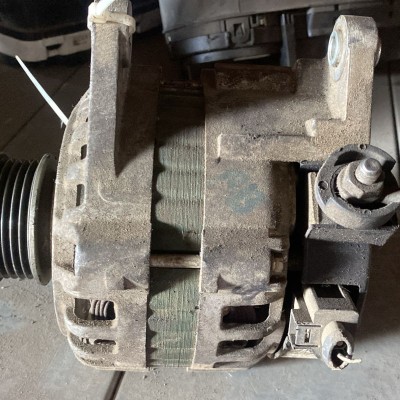
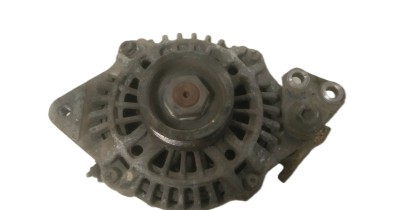
SANTRO (XING) HYUNDAI ALTERNATOR
₹ 3186 Dispatch within 3 day Used37...30
Products with this label are stored and packed by Naya Purana. Dispatched on the same day as order payment
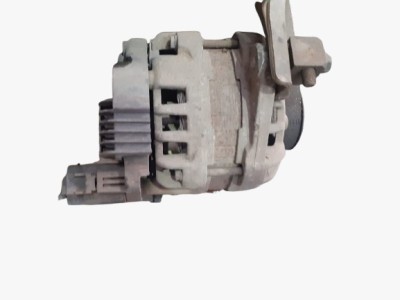
HYUNDAI EON ALTERNATOR
₹ 3776 Dispatch within 3 day Used37...30
Products with this label are stored and packed by Naya Purana. Dispatched on the same day as order payment
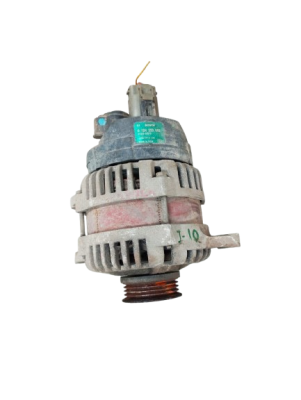
HYUNDAI i10 ALTERNATOR
₹ 10620 Dispatch within 3 day Used37...30
Products with this label are stored and packed by Naya Purana. Dispatched on the same day as order payment

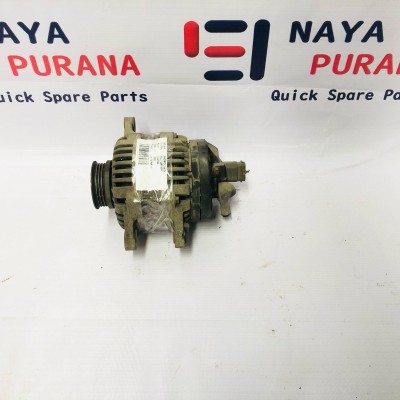
ALTERNATOR
₹ 3540 Dispatch within 1 day Used37...30
Products with this label are stored and packed by Naya Purana. Dispatched on the same day as order payment

Compatibility
| Modification | Car Maker | Model | Year | Engine Type | ||
|---|---|---|---|---|---|---|