

 Login
Login






HONDA
Origin OEM
(dispatch in 2 days)
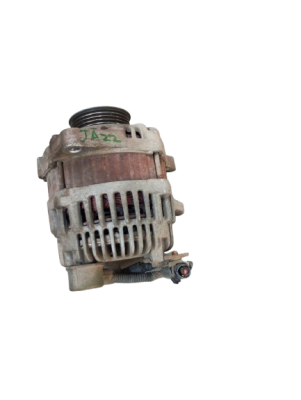
Honda Jazz Alternator
₹ 3540
Availability:
5 In Stock
Fulfilled by  Products with this label are stored and packed by Naya Purana. Dispatched on the same day as order payment
Products with this label are stored and packed by Naya Purana. Dispatched on the same day as order payment
SKU:
AS00029
Product Type:
Used
Car maker:
HONDA
Model:
JAZZ
Year:
2009-2012
Modification:
1.2L S PETROL
Sold By:
AKK Plant
Category:
Engine Components and Assemblies
Length:
35 cm
Breadth:
20 cm
Height:
20 cm
Weight:
500 gm
Description
-
Function:
- The alternator generates electrical power by converting mechanical energy from the engine into electrical energy. This electrical power is used to charge the car's battery and supply electricity to the vehicle's electrical systems, such as the lighting, infotainment system, and air conditioning.
-
Location:
- The alternator is typically mounted on the front or side of the engine bay, connected to the engine via a serpentine or V-belt. Its exact position can vary depending on the engine configuration and model year of the Honda Jazz.
-
Design:
- Body: The alternator usually has a cylindrical or semi-cylindrical metal housing.
- Pulley: The alternator features a pulley at one end, which is driven by the serpentine belt. This pulley converts the engine’s mechanical power into electrical power.
- Cooling Fan: Many alternators come with an internal cooling fan to help manage heat generated during operation, ensuring reliable performance and longevity.
-
Dimensions:
- While the dimensions can vary, a typical Honda Jazz alternator might have:
- Diameter: Approximately 6 to 8 inches (150 to 200 mm)
- Height: About 5 to 7 inches (125 to 175 mm)
- For precise dimensions, it is advisable to consult the vehicle’s service manual or contact a Honda dealership or parts supplier.
- While the dimensions can vary, a typical Honda Jazz alternator might have:
-
Connections:
- Main Output Terminal: This terminal is used to connect the alternator to the battery and carry the electrical current generated.
- Electrical Connector: A smaller connector may be present for the alternator’s control signals, including the dashboard charging indicator.
-
Voltage and Current Output:
- Voltage: The alternator typically produces a regulated voltage between 13.5 to 14.5 volts.
- Current: The current output generally ranges between 70 to 100 amps, depending on the model year and engine type. Higher outputs may be available for models with additional electrical features.
-
Cooling:
- The alternator is equipped with cooling features, either through an internal fan or design elements, to ensure it operates within safe temperature limits and maintains performance efficiency.
Additional Considerations:
-
Replacement: When replacing the alternator, it is important to select a part that matches the specifications of the original alternator to ensure proper function and compatibility.
-
Installation: Proper installation is essential for the alternator’s performance. Incorrect belt tension or misalignment can lead to premature wear or failure. Regular maintenance and checking for wear or damage can help extend the alternator’s lifespan.
 (dispatch within 2 day)
 Return Policy
  Including GST
Aftermarket Replacement Parts
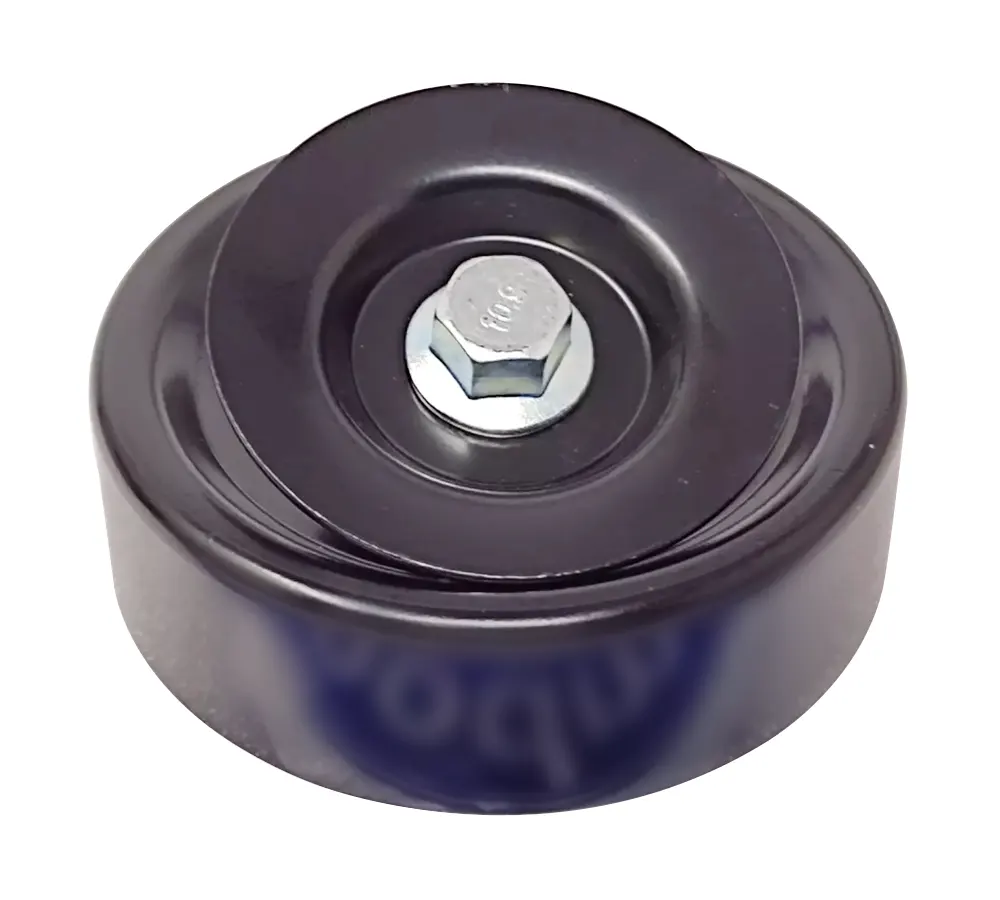
Idler Pulley, V-Ribbed Belt
₹649.00 ₹830.00 22% OFF Dispatch within 15 day BOSCHF00...0028
Products with this label are stored and packed by Naya Purana. Dispatched on the same day as order payment
Free Delivery
Products with this label are available for free delivery
Features and Specification
Features:
-
Voltage Output:
- Typically, the alternator in the Honda Jazz produces around 12-14 volts of direct current (DC) to power the vehicle’s electrical systems and keep the battery charged.
-
Current Output:
- The alternator's current output can vary depending on the model year and engine type. It generally ranges between 70 to 100 amperes (A). Higher current output is often found in models with more electrical accessories or higher trim levels.
-
Regulation:
- The alternator includes a voltage regulator that ensures the output voltage stays within the specified range to protect the vehicle’s electrical components and battery.
-
Belt Driven:
- The alternator is usually belt-driven by the engine. The drive belt connects the alternator to the engine crankshaft, turning the alternator and generating electrical power.
-
Cooling:
- Alternators are often equipped with cooling fans or are designed with adequate ventilation to dissipate heat generated during operation.
Specifications:
-
Dimensions and Mounting:
- Dimensions and mounting configurations can vary based on the specific model year and engine type. It's important to use the correct alternator that matches the vehicle’s specifications.
-
Pulley Size:
- The alternator pulley size is designed to match the engine’s belt system and ensure proper charging efficiency.
-
Type:
- Most modern Honda Jazz models use an internal regulated alternator, which integrates the voltage regulator within the alternator assembly.
-
Compatibility:
- Ensure the alternator is compatible with your specific Honda Jazz model year and engine type, as there may be variations in alternator specifications across different models and production years.

Compatibility
| Modification | Car Maker | Model | Year | Engine Type | ||
|---|---|---|---|---|---|---|